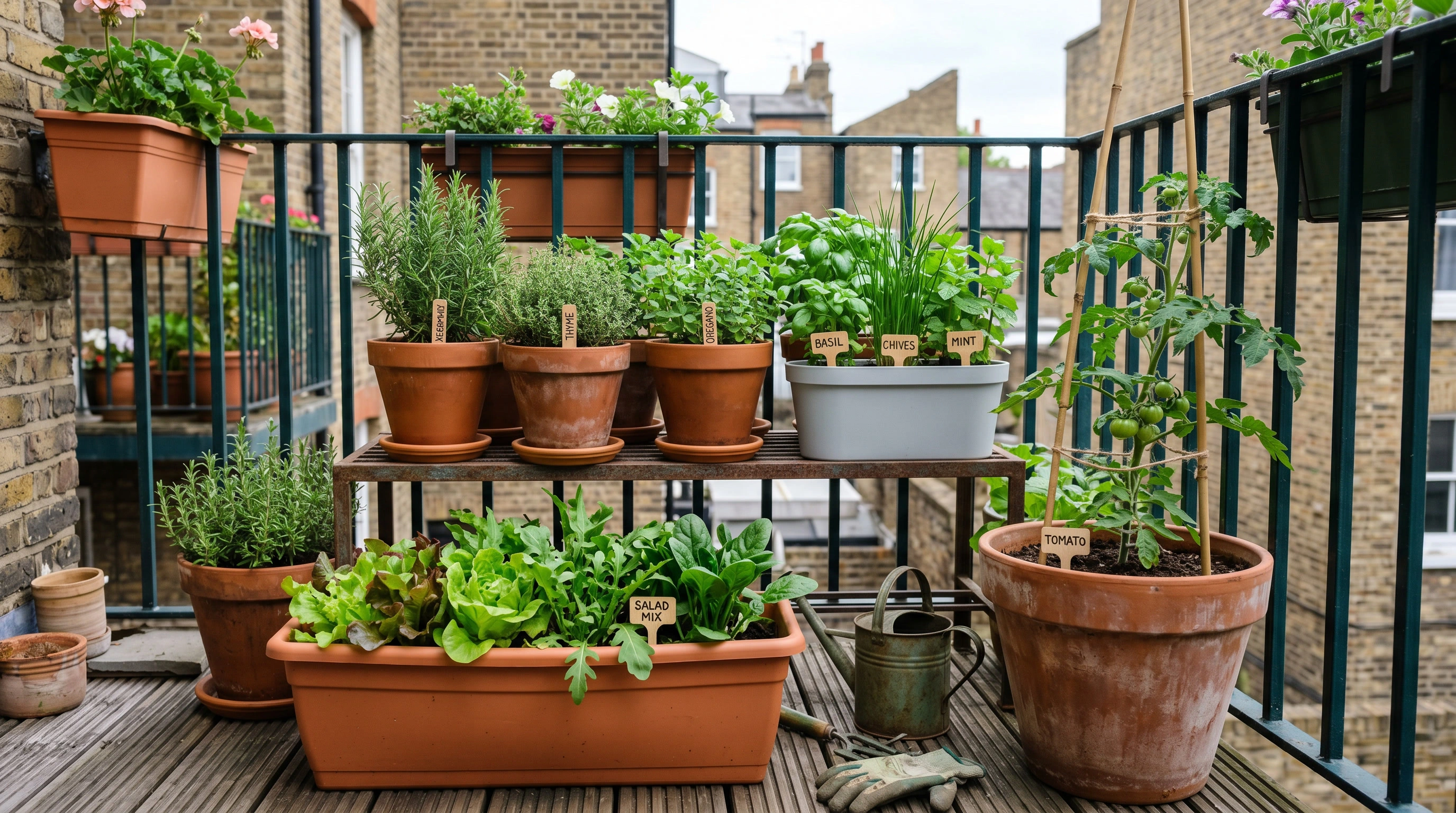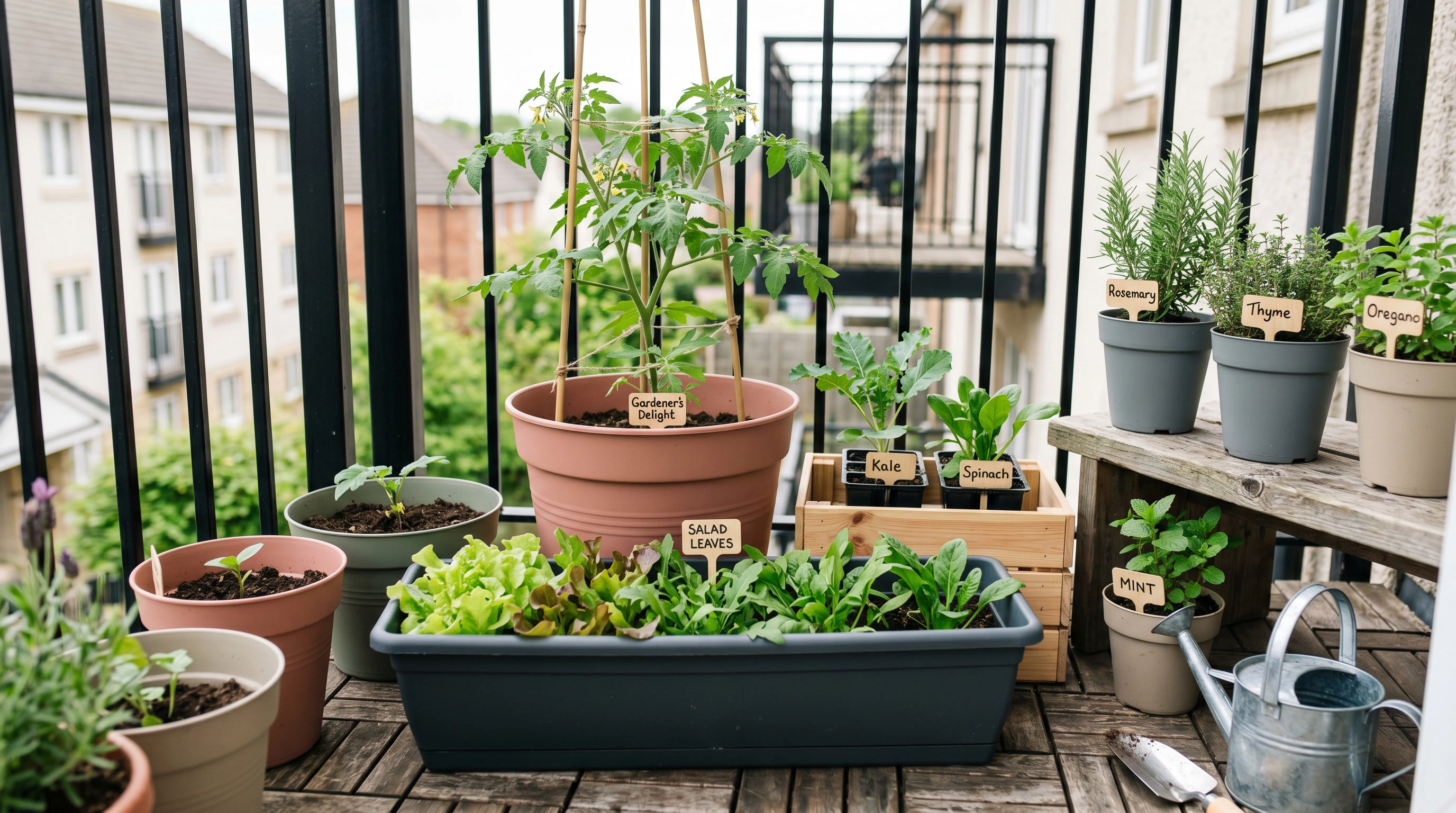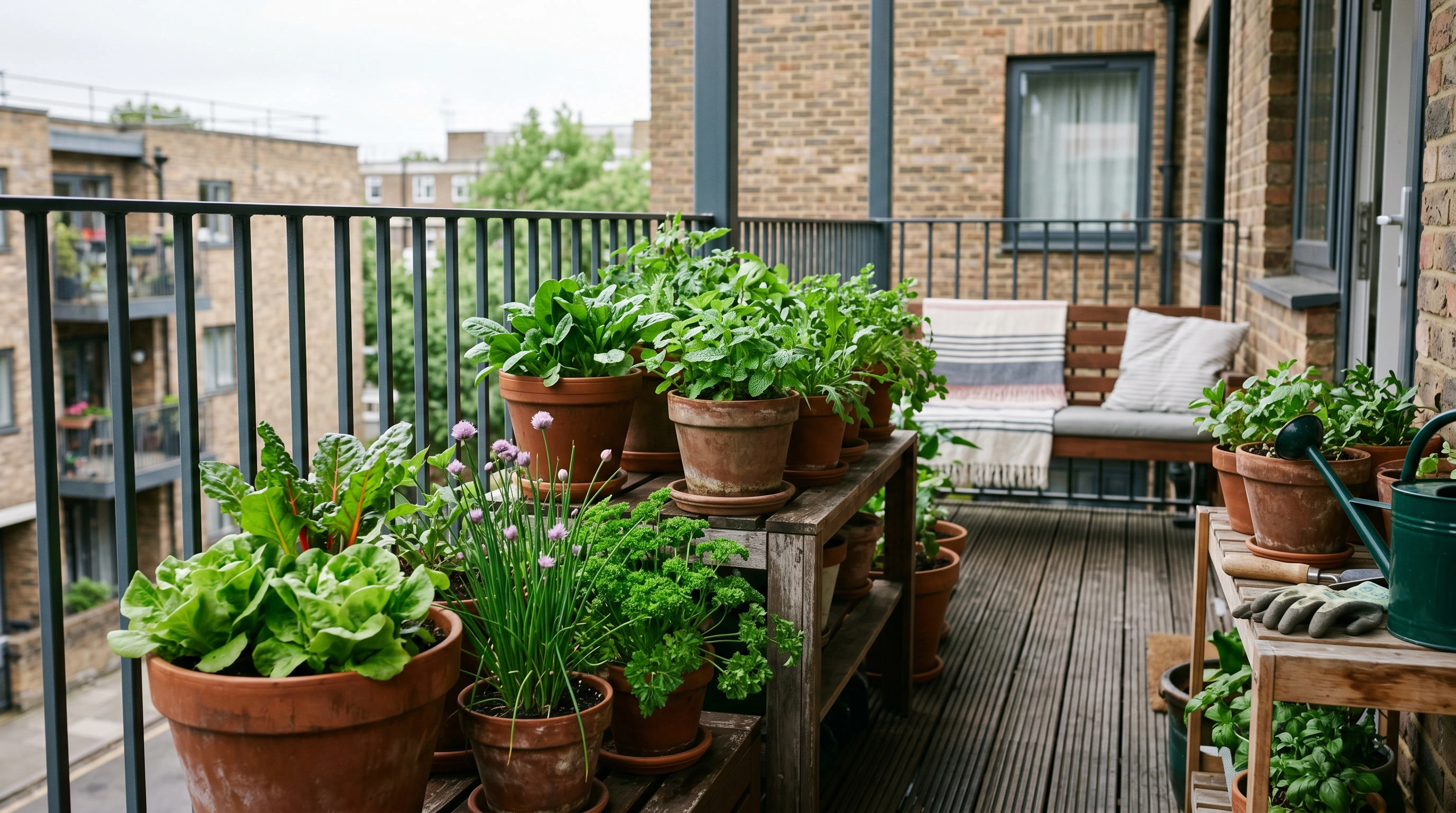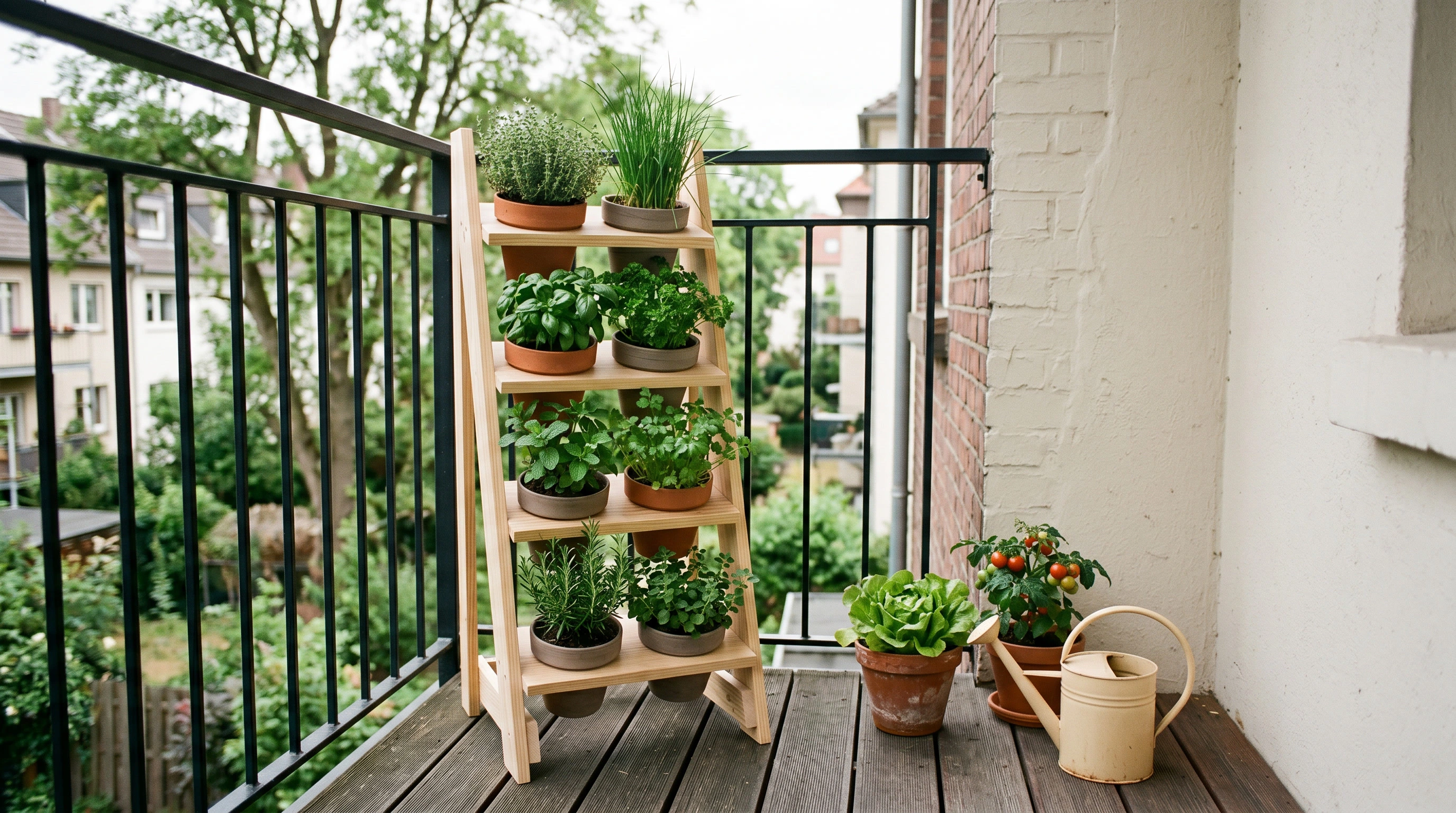
Low-maintenance herbs are ideal for renters, flat dwellers and anyone starting with a few pots. The best choices are useful in small amounts, tolerate container life, and do not collapse if conditions are slightly imperfect.
No herb is completely maintenance-free, but some are far more forgiving than others.
Chives
Chives are one of the best herbs for beginners. They are compact, useful and easy to harvest with scissors. They grow well in pots and do not need huge amounts of space.
Keep them in bright light and water when the compost begins to dry. Cut leaves from the outside and avoid removing the whole plant at once.
Parsley
Parsley is useful, forgiving and better suited to ordinary UK windowsills than many sun-loving herbs. Flat-leaf parsley is good for cooking, while curly parsley stays compact and tidy.
Parsley likes steady moisture but not waterlogged compost. A pot with drainage and a saucer is enough for most beginners.
Mint
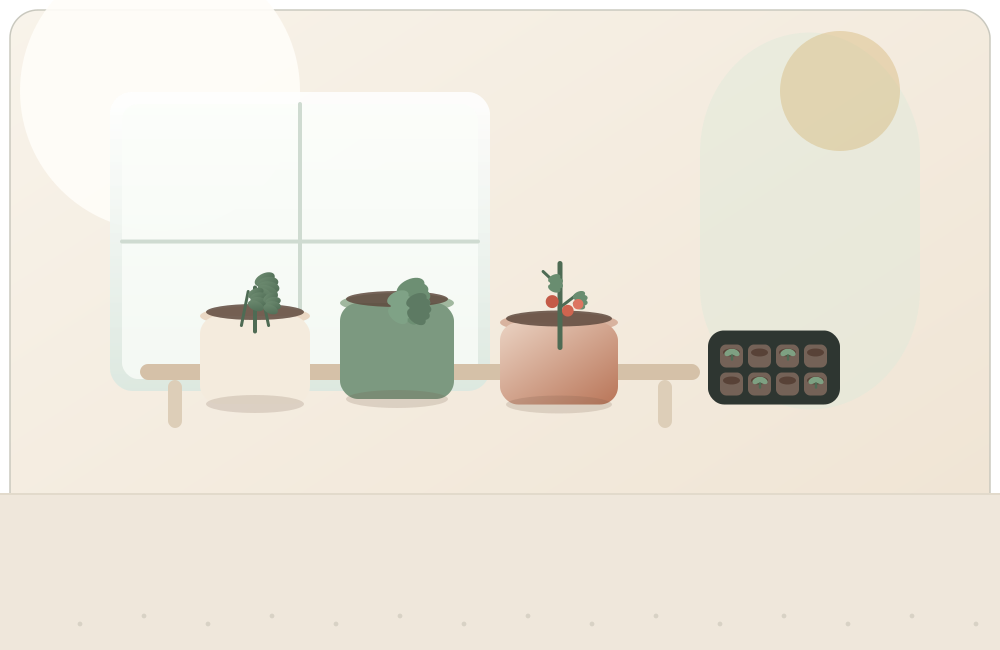
Mint is tough, but it needs its own pot. It spreads strongly and can crowd other herbs in mixed containers.
Mint likes more moisture than thyme or rosemary, but it still needs drainage. Cut it back if it becomes leggy.
For a dedicated mint guide, read Growing Mint in Pots Without It Taking Over.
Thyme
Thyme can be low-maintenance outdoors in a sunny, well-drained pot. Indoors, it is often harder because it wants strong light and airflow.
If you have a sunny balcony or patio, thyme is worth trying. If you only have a dim windowsill, choose parsley or chives first.
Rosemary
Rosemary is drought-tolerant once established, but it is not always easy indoors. It prefers sun, airflow and free-draining compost.
For renters with a sunny outdoor spot, rosemary can be a good pot herb. For indoor-only growing, it is not the safest first choice.
Coriander
Coriander is low-maintenance only if you treat it as short-term. It often bolts or fades, especially when stressed. Sow small batches and harvest young leaves.
For more indoor herb detail, read Best Herbs to Grow on a Windowsill in the UK.
Herbs that are not as low-maintenance as they seem
Basil is popular, but it wants warmth, bright light and regular watering. Supermarket basil often struggles unless repotted and kept warm.
Sage can become woody and large. Dill can be awkward in small indoor spaces. These herbs can work, but they are not the easiest first pots.
A simple care routine
Low-maintenance herbs still need a routine. Check the compost every few days, remove yellow leaves, turn indoor pots if they lean toward the light, and harvest little and often. Small harvests encourage fresh growth and stop herbs becoming leggy.
For indoor herbs, keep leaves away from cold glass in winter and avoid placing pots directly above a hot radiator. For outdoor herbs, choose a spot where you will actually see them. A forgotten pot at the far end of a balcony is more likely to dry out unnoticed.
If you only want three pots, choose chives, parsley and thyme for a useful mix. If you have a very bright summer spot, add basil as a seasonal crop. If you want mint, give it its own container because it spreads strongly when planted with other herbs.
Buying supermarket herbs
Supermarket herb pots can be good value, but they are grown for quick kitchen use rather than long-term container life. Basil, parsley and coriander are often crowded with many small plants in one pot.
You can improve their chances by watering gently, placing them in bright light, and potting them into a slightly larger container with fresh compost. Do not expect every supermarket herb to become a long-lived plant, but chives, mint and parsley often do better than basil in ordinary UK homes.
Indoor or outdoor pots?
Some herbs are easier outdoors, even in small spaces. Thyme and rosemary usually prefer strong light and airflow. Parsley, chives and mint can cope with more modest conditions and may work indoors if the sill is bright.
If you are not sure where to put a herb, test one pot before buying a full set. Your light level matters more than the label “indoor herb”.
Easy herb combinations
For a very simple setup, keep herbs in separate pots but group similar needs together. Chives, parsley and mint can sit in brighter, slightly moister conditions. Thyme and rosemary are better in sunnier outdoor spots with freer drainage. Basil is a summer extra rather than a year-round promise.
This keeps care simple. Instead of trying to water one mixed planter perfectly, you can move or water each herb according to how it behaves.
Common mistakes
The main mistake is mixing herbs with different needs in one small pot. Mint wants different care from thyme. Basil wants more warmth than parsley. Separate pots are easier.
Another mistake is overwatering herbs in decorative pots without checking for standing water.
Choose one indoor herb and one outdoor herb if you have a balcony. You will quickly learn which space suits which plant.
FAQ
What is the easiest herb to grow in a pot?
Chives are one of the easiest. Parsley is also a strong beginner choice.
Is mint low-maintenance?
Yes, but only if it has its own pot. It can crowd other herbs.
Is basil low-maintenance?
Not really in the UK. It needs warmth and bright light, especially indoors.
Can herbs grow in small pots?
Some can, but very small pots dry quickly. Most herbs do better with more root space than supermarket pots provide.
Related guides
- Beginner’s Guide to Small-Space Gardening for UK Renters
- Best Herbs to Grow on a Windowsill in the UK
- Growing Mint in Pots Without It Taking Over
- How Often Should You Water Plants in Pots in the UK?
Next step
If you want herbs indoors, read Best Herbs to Grow on a Windowsill in the UK before buying a mixed herb planter.