Growing windowsill herbs sounds easy: buy a pot, put it near the kitchen, and pick leaves when you cook. Sometimes it works. Often, especially in UK flats, the plant sulks, stretches, dries out, rots or fades after a few weeks.
The problem is usually not that you are bad at gardening. It is that windowsills are demanding growing spaces. Light changes through the year, rooms heat up and cool down, pots are small, and supermarket herbs are often crowded before you even bring them home.
This guide explains which herbs are most realistic for UK windowsills and how to give them a fair chance.
What makes a good windowsill herb?
A good windowsill herb should tolerate container life, recover from light harvesting, and cope with the light available in your home. It should also be useful in small amounts. A windowsill will not produce bunches like an outdoor herb bed, but it can provide regular flavour.
The best candidates are leafy herbs rather than woody shrubs. Leafy herbs tend to respond better to cutting and can manage in smaller pots. Woody Mediterranean herbs such as rosemary and thyme prefer bright sun, airflow and sharper drainage than many indoor sills provide.
If you are new to growing without a garden, the wider Beginner’s Guide to Small-Space Gardening for UK Renters explains how windowsills fit into a broader small-space setup.
Check your light first
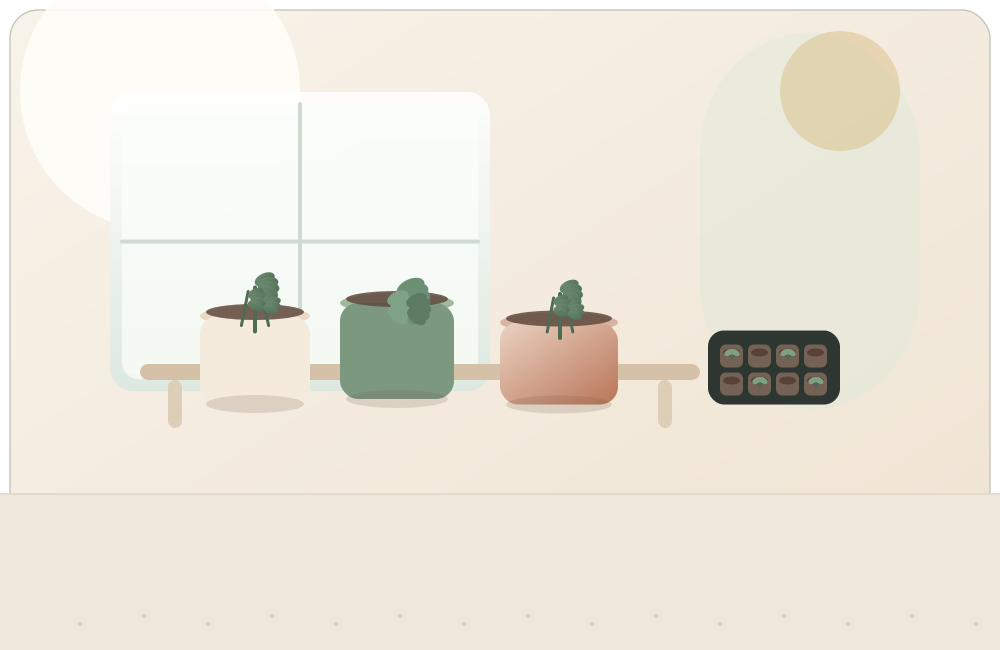
Light is the main limitation indoors. A sunny-looking room may still be much darker than outdoors, especially in autumn and winter.
South and west-facing windowsills are usually best for herbs. East-facing sills can work for parsley, chives, coriander and mint. North-facing windowsills are more difficult unless the room is very bright and unobstructed.
Watch the sill for a day. Does direct sun reach it? For how long? Are there buildings, trees, blinds or deep window reveals blocking light? Does the glass get cold overnight?
If your windowsill gets weak light, try pea shoots or microgreens as well as herbs. They are faster and more forgiving than many established herb plants.
Parsley
Parsley is one of the best windowsill herbs for beginners. It is useful in small amounts, copes with cooler conditions better than basil, and does not need intense heat.
Flat-leaf parsley is usually more useful for cooking, while curly parsley can be compact and tidy. Both need a pot with drainage and steady moisture. Do not let parsley sit in water, but do not let it repeatedly wilt either.
Harvest outer stems first, cutting them near the base. Avoid stripping the plant bare. A small windowsill parsley plant needs leaves left behind so it can keep growing.
Chives
Chives are another excellent beginner choice. They are compact, useful, and more tolerant of ordinary indoor conditions than many herbs.
They like bright light and steady watering. Cut leaves with clean scissors, leaving some growth behind. If the plant becomes tired, it may need a larger pot or a spell outdoors in mild weather if you have a safe place for it.
Chives are especially good if you only use a small amount at a time. You can snip a few stems for eggs, potatoes, salads or soups without needing a large harvest.
Mint
Mint is tough, generous and useful, but it needs its own pot. It spreads strongly and can crowd other herbs in a mixed container.
Indoors, mint wants bright light and regular watering. It can cope with more moisture than Mediterranean herbs, but it should still have drainage. If the stems become long and weak, the plant probably needs more light.
Mint can be cut back when it gets leggy. New shoots often follow if the plant is healthy.
If mint is the main herb you want to grow, use Growing Mint in Pots Without It Taking Over for a simpler, pot-specific guide.
Do not plant mint in the same small pot as slower herbs. It is much easier to manage when it has its own container.
Coriander
Coriander can grow on a bright windowsill, but it is not always long-lived. It often bolts, meaning it sends up flower stems, especially when stressed by heat, dryness or crowding.
Instead of trying to keep one coriander plant going for months, sow small batches. Treat it as a quick leafy crop. Harvest leaves while they are young and sow again when growth slows.
Coriander is a good example of small-space gardening realism: it can work, but not always as a permanent kitchen herb.
Basil
Basil is popular, but it is more demanding than many beginners expect. It wants warmth, strong light and steady moisture. In the UK, basil is easiest from late spring through summer on a warm bright sill.
Cold glass, draughts and low winter light can make basil fail quickly. If your basil collapses in January, that is not surprising. Try again in warmer months.
Pinch out the tips to encourage bushier growth. Water the compost rather than soaking the leaves. Keep it away from cold windows at night if the sill gets chilly.
Herbs that are harder indoors
Rosemary
Rosemary prefers strong light, airflow and free-draining compost. It can struggle indoors, especially in warm rooms with low light. If you have a sunny balcony or patio, rosemary is often happier outside in a pot.
Thyme
Thyme also prefers bright, dryish conditions. It dislikes sitting in wet compost. Indoors, it can become weak if light is poor.
Sage
Sage can become large and woody. It is usually better suited to an outdoor container than a small kitchen windowsill.
These herbs are not impossible indoors, but they are not the easiest first choices for a UK flat.
Growing supermarket herb pots
Supermarket herbs are convenient, but they are usually grown to be harvested quickly, not to live for months in the same pot. Many are overcrowded, with lots of seedlings packed together.
To give them a better chance:
- Water the pot before handling it.
- Gently remove the plant from its pot.
- Split the rootball into two or three sections if it is crowded.
- Replant sections into fresh compost.
- Use pots with drainage holes.
- Put them in the brightest suitable place.
Do not expect every supermarket herb to become a permanent plant. But splitting and repotting often improves your odds.
Watering windowsill herbs
Watering is a balance. Indoor herbs can dry out quickly in small pots, especially above radiators or in sunny windows. They can also rot if they sit in water.
Check the compost with a finger. If the top few centimetres are dry and the pot feels light, water. If it is still damp, wait.
Always let excess water drain. If the herb is inside a decorative cover pot, lift the inner pot out after watering or empty the cover pot after a few minutes.
Choosing pots for herbs
For most windowsill herbs, use pots with drainage holes and a saucer or tray. Avoid tiny decorative pots unless they are only cover pots for a nursery pot.
Parsley, chives, mint and basil all do better with more root space than the smallest herb pots provide. Mint especially benefits from a slightly larger pot.
If you are unsure about containers, read How to Choose Pots for Balcony and Windowsill Gardening.
Seeds, plugs or supermarket pots?
You can start windowsill herbs in three main ways.
Seeds are cheap and give you choice, but they need patience. Coriander, basil and chives can be grown from seed, though results depend on warmth and light.
Plug plants or small garden-centre herbs cost more than seed but are usually less crowded than supermarket pots. They can be a good option if you want a plant that is already established.
Supermarket herbs are convenient and easy to find, but they are often crowded and stressed. Treat them as a starting material rather than a finished long-term plant. Splitting and repotting is usually worthwhile.
For beginners, a mixed approach works well: buy parsley or chives as a plant, sow coriander or basil when the weather is warm, and grow pea shoots in trays for quick results.
Feeding and compost
Fresh peat-free multipurpose compost is fine for most beginner herbs. If a plant stays in the same pot for a long time, nutrients will eventually run down. A gentle liquid feed during active growth can help, but do not overdo it.
For a first windowsill herb setup, focus on light, drainage and watering before worrying about feed.
Harvesting herbs without weakening them
Harvest little and often. Do not remove most of the plant at once unless you are treating it as a short-term crop.
For parsley, cut outer stems near the base. For chives, snip leaves with scissors. For basil, pinch above a pair of leaves to encourage branching. For mint, cut stems back to encourage fresh shoots.
Herbs need leaves to keep growing. If the plant is small, take less.
Signs your herbs need a change
Long weak stems
The plant is probably stretching for light. Move it to a brighter sill if you can. Rotate the pot every few days if it leans strongly toward the window.
Crispy edges
The plant may be drying too much, sitting above a radiator, or getting scorched through glass in hot weather. Check compost moisture and move it slightly back from intense heat if needed.
Yellow lower leaves
This can be caused by age, low light, overwatering or lack of nutrients. Check whether the compost is staying wet before adding feed.
Small flies around the compost
Fungus gnats are more likely when compost stays damp. Let the top layer dry more between waterings and avoid leaving pots sitting in water.
Sudden collapse after buying
Supermarket herbs can wilt because they are crowded, shocked by a new environment, or sitting in poor watering conditions. Split, repot and trim lightly if the plant is still viable.
A simple windowsill herb plan
If you want a practical first setup, try:
- One pot of parsley
- One pot of chives
- One separate pot of mint
- Optional basil in late spring or summer
- A tray of pea shoots for quick harvests
This gives you reliable herbs plus something fast. It also avoids putting all your hopes into basil, which is the herb many beginners lose first.
Where herbs fit in a no-garden setup
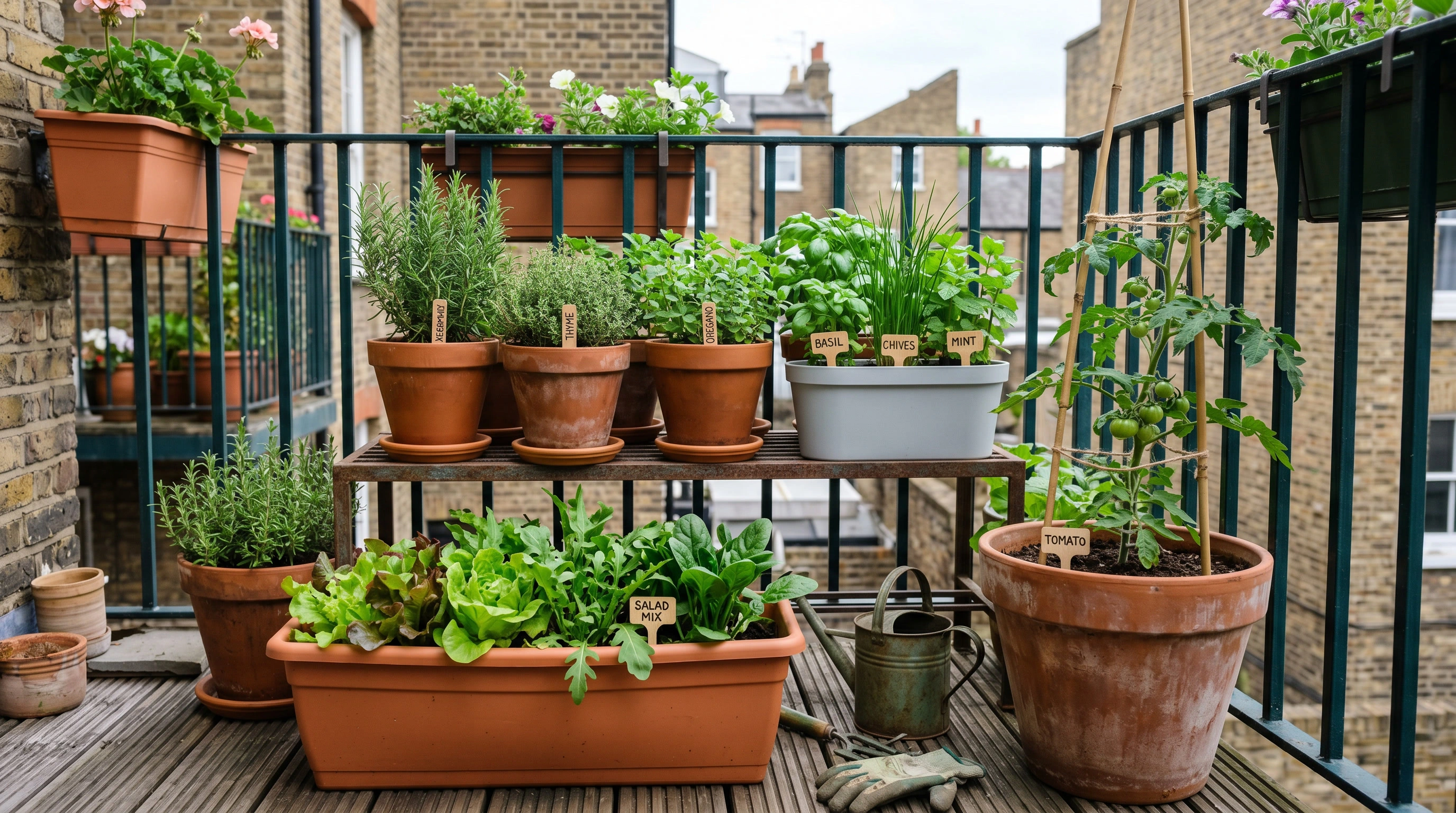
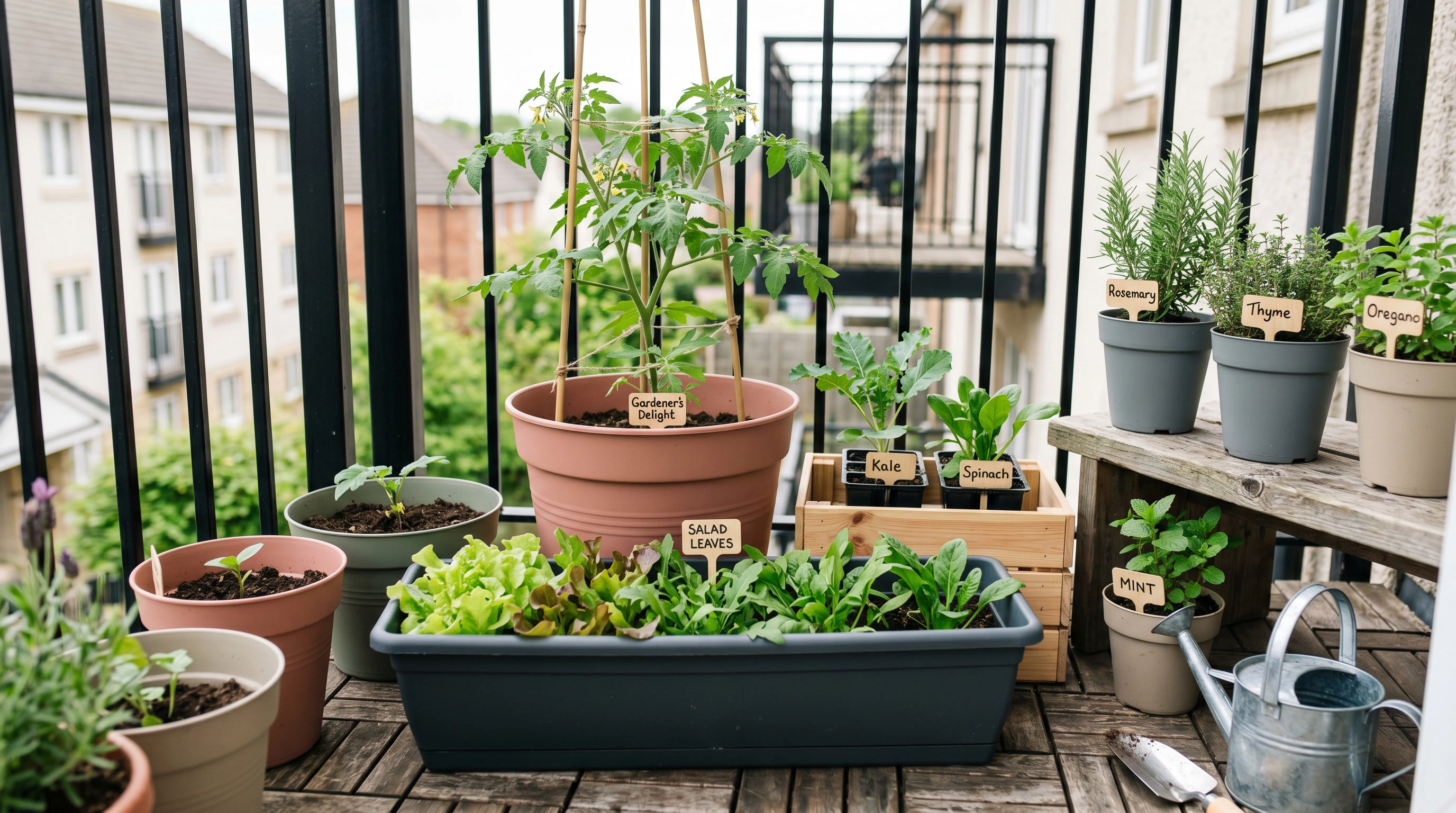
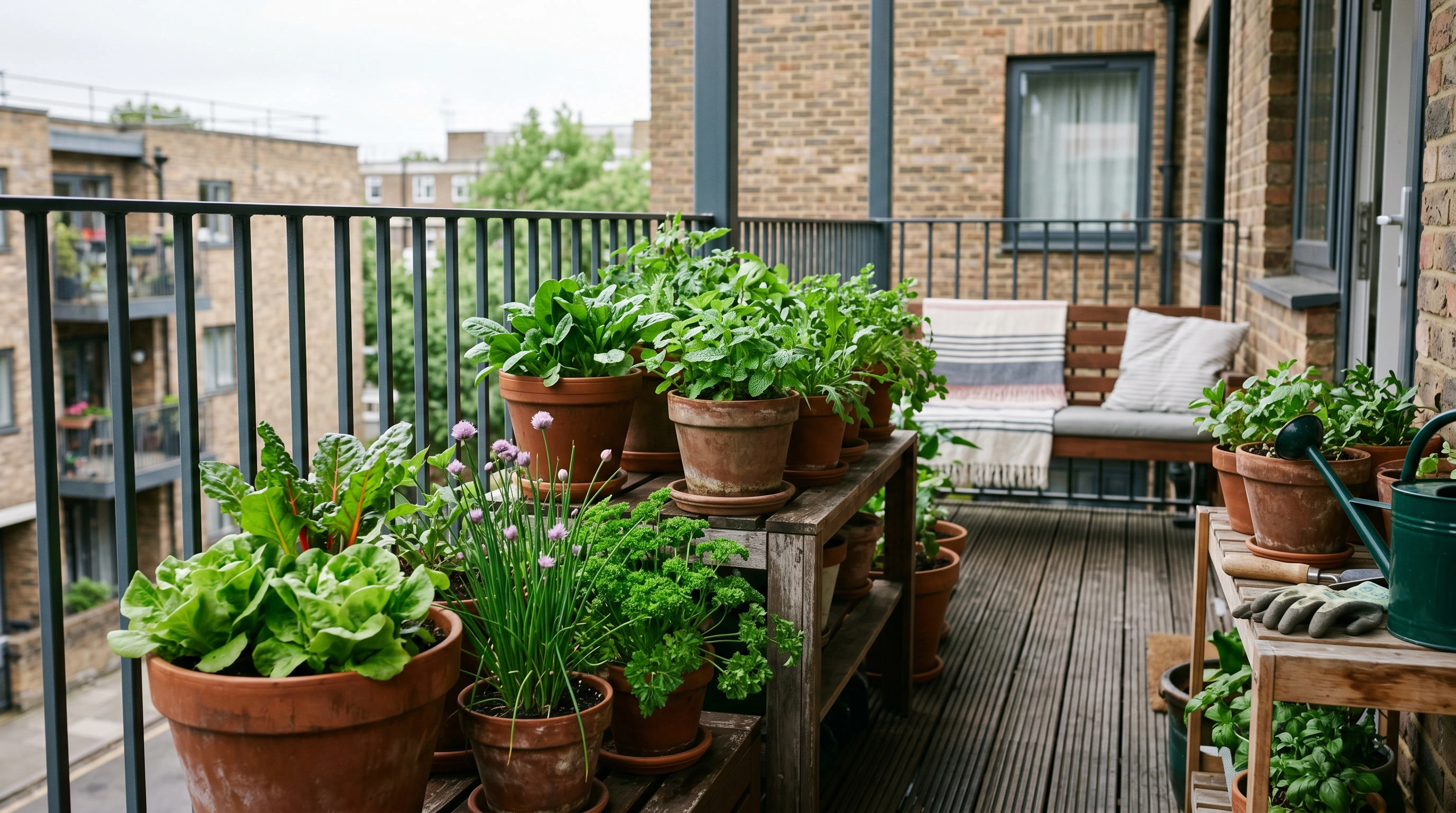
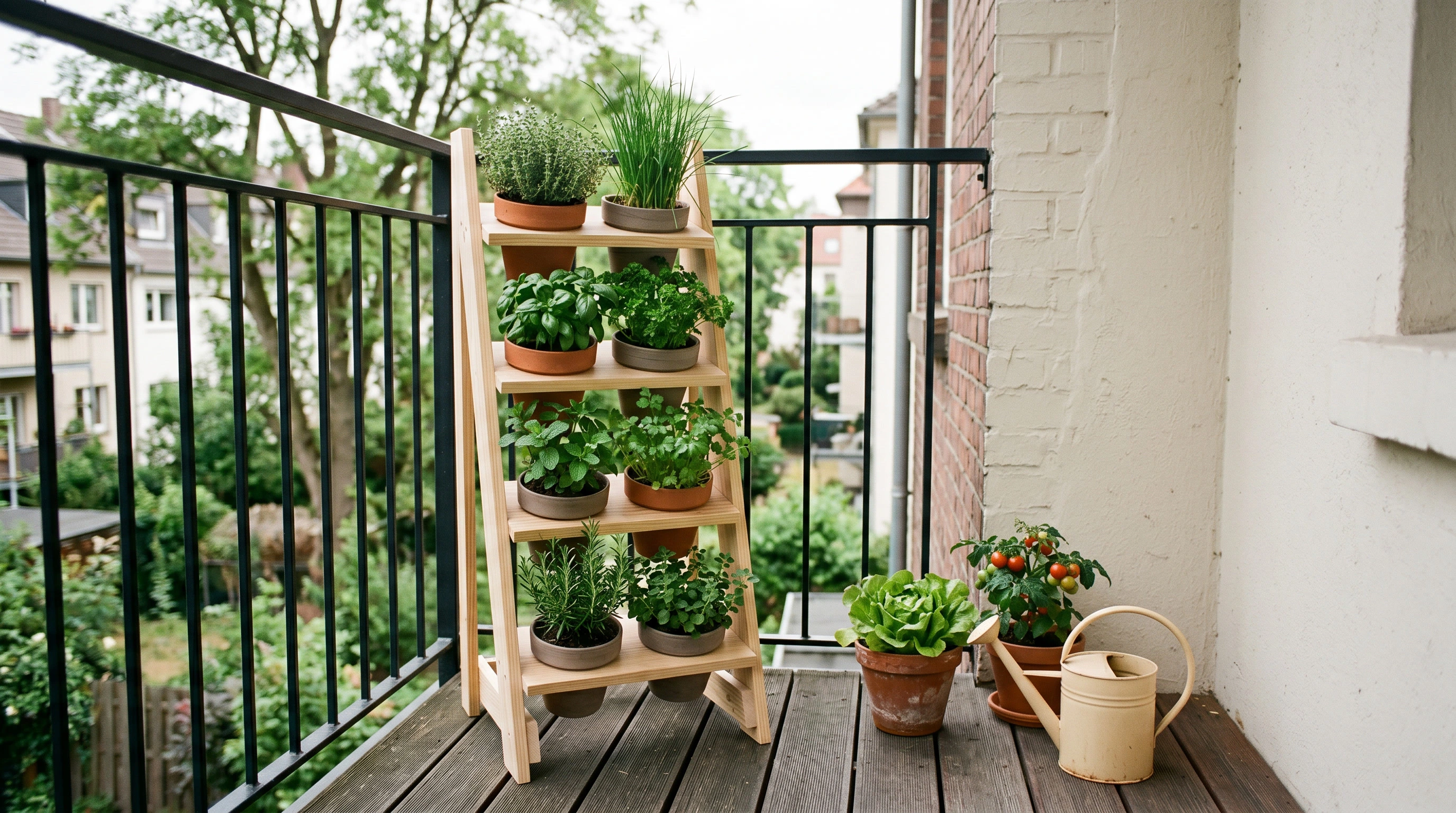
Windowsill herbs are not only for people with no outdoor space. They also work well alongside balcony or patio containers. Keep quick-use herbs near the kitchen and larger or sun-loving plants outdoors if you have a suitable space.
For example, you might keep chives and parsley indoors, mint in a separate outdoor pot, and salad leaves on a balcony. This spreads plants across the places where they make most sense.
If you want the bigger crop picture, the guide to what you can grow without a garden in the UK covers herbs, leaves, vegetables and balcony crops together.
Common mistakes
Keeping herbs in dark kitchens
Convenience matters, but light matters more. If the kitchen is dim, use a brighter room.
Overwatering in cover pots
Decorative pots hide standing water. Check after watering.
Expecting winter growth
Many herbs slow down in winter. This is normal in UK light levels.
Crowding mixed herb pots
Mixed herb planters look appealing, but herbs have different needs. Mint and basil do not want the same treatment as thyme.
Harvesting too hard
Small plants cannot replace leaves instantly. Take modest harvests until the plant is established.
FAQ
What is the easiest herb to grow on a UK windowsill?
Parsley and chives are among the easiest. They are useful, compact and more forgiving than basil.
Can basil grow on a windowsill in the UK?
Yes, especially in late spring and summer on a warm bright sill. It often struggles in winter or cold rooms.
Can rosemary grow indoors?
It can, but it is not the easiest indoor herb. Rosemary usually prefers a sunny outdoor pot with good airflow.
How often should I water windowsill herbs?
Water when the top compost feels dry and the pot feels lighter. The exact timing depends on light, heat, pot size and the herb.
Should I repot supermarket herbs?
Usually yes, especially if the pot is crowded. Splitting and repotting can help the plant last longer.
Related guides
- Beginner’s Guide to Small-Space Gardening for UK Renters
- Best Low-Maintenance Herbs for Pots
- Growing Mint in Pots Without It Taking Over
- Starting Seeds Indoors Without a Greenhouse
- How Often Should You Water Plants in Pots in the UK?
Next step
If you are choosing herbs as part of a wider no-garden setup, read What Can You Grow Without a Garden in the UK?. If you already have herbs but need better containers, read How to Choose Pots for Balcony and Windowsill Gardening.